
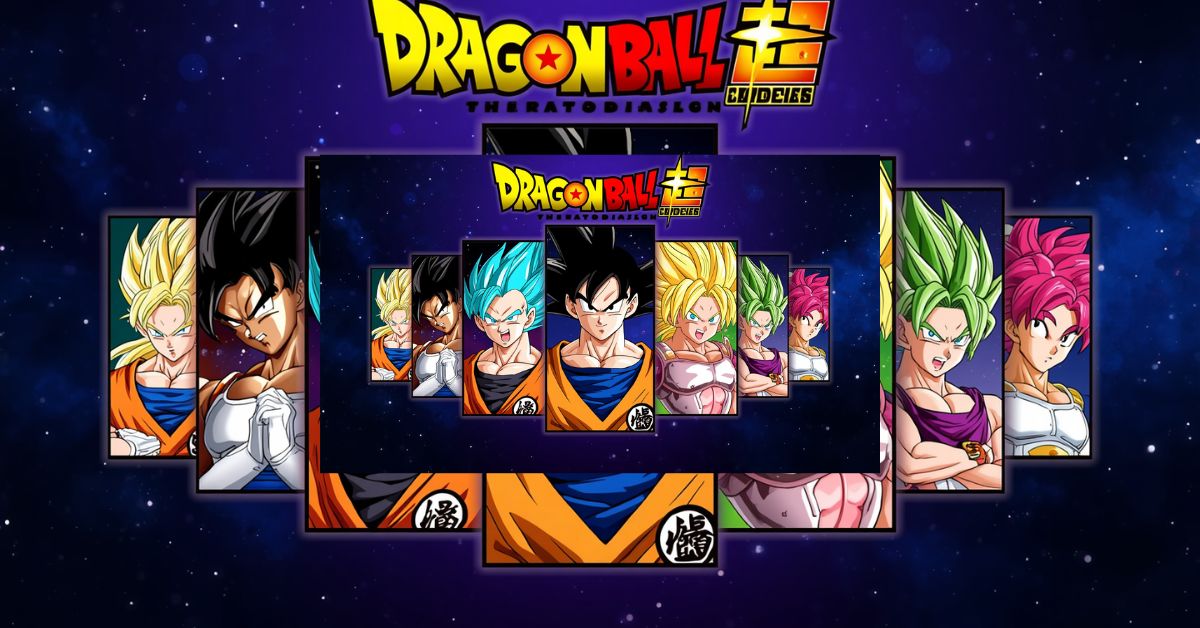
Few franchises have shaped anime and pop culture quite like Dragon Ball. Since its debut in the mid-1980s, it has spawned multiple series, dozens of movies, and a devoted global fanbase, but that long history is exactly what makes watching it today so confusing. Between Dragon Ball, Dragon Ball Z, Dragon Ball GT, Dragon Ball Super, and a long list of movies with varying canon status, it’s easy to feel lost before you even press play.
This guide breaks it all down. Whether you’re a complete newcomer wanting to start from scratch, a returning fan looking to fill in the gaps, or someone who just wants the most efficient path through the story, you’ll find a clear recommended order here.
We’ll cover the full chronological timeline, where the movies fit in, whether GT is worth watching, and how to skip filler without missing anything important. Let’s get into it.
A Brief History of Dragon Ball
Dragon Ball was created by Akira Toriyama and first serialized as a manga in Weekly Shōnen Jump in 1984, before being adapted into an anime that began airing in 1986. The story follows Son Goku, initially as a curious, monkey-tailed boy on a quest involving mystical wish-granting orbs, evolving over the years into one of the most powerful warriors in fiction.
As the manga progressed, so did the tone. What started as a lighthearted, martial-arts-meets-adventure comedy gradually shifted into higher-stakes action, leading to the anime being split into two eras: Dragon Ball, covering Goku’s childhood and early adventures, and Dragon Ball Z, covering his adult life and the franchise’s signature intense battles.
After Dragon Ball Z concluded, an original anime sequel called Dragon Ball GT was produced without Toriyama’s direct involvement in the story, which is why it holds a different canon status compared to the rest of the franchise. Years later, Toriyama returned to expand the story properly with Dragon Ball Super, picking up directly after the events of Z and serving as the true canon continuation.
This layered history is exactly why watch order debates exist among fans. Multiple series were made at different times, by different teams, with different levels of involvement from the original creator, resulting in a franchise that isn’t always straightforward to approach chronologically. Understanding this background makes the rest of this guide, and the choices within it, much easier to follow.
Overview of the Entire Franchise
Before diving into watch order, it helps to understand what each part of the Dragon Ball franchise actually is and how they relate to one another.
Dragon Ball (1986-1989) is the original series, following a young Goku as he trains in martial arts, searches for the seven Dragon Balls, and encounters a colorful cast of allies and villains. It has a lighter, more comedic tone compared to later entries and totals 153 episodes.
Dragon Ball Z (1989-1996) picks up as Goku enters adulthood, shifting toward higher-stakes battles against increasingly powerful threats. This is the era most casual fans associate with the franchise, spanning major arcs like the Saiyan, Namek, Android/Cell, and Majin Buu sagas across 291 episodes.
Dragon Ball GT (1996-1997) is a sequel series produced after Z concluded, without Akira Toriyama’s direct creative involvement in the story. Because of this, it’s generally considered non-canon to the main storyline, making it optional for most viewers.
Dragon Ball Super (2015-2018, with the manga still ongoing) serves as the official canon continuation after Z, created with Toriyama’s involvement. It introduces new story arcs, including Battle of Gods, Resurrection F, the Universe 6 arc, and the Tournament of Power.
Movies and specials exist throughout the franchise’s history, some canon and tied directly to the story, others standalone and non-canon. Knowing which is which matters significantly when deciding where, or whether, to fit them into your viewing order, which the following sections cover in detail.
Chronological Watch Order (Full Story Timeline)
For viewers who want the complete story exactly as it unfolds, here’s the full chronological order.
Start with Dragon Ball (1986-1989). All 153 episodes cover Goku’s childhood, his training, and his early adventures searching for the Dragon Balls, ending with the World Martial Arts Tournament arcs that set up his adult life.
Move into Dragon Ball Z (1989-1996). Watch through the Saiyan Saga, Namek Saga, Android/Cell Saga, and Majin Buu Saga in order, totaling 291 episodes. This is the emotional and narrative core of the franchise for most fans.
Slot in the Z-era movies at their appropriate points, if you choose to include them. Most Dragon Ball Z movies exist as standalone, non-canon side stories, but several fans still like fitting them in around specific arcs, such as watching “Dead Zone” after the early Saiyan Saga or “Cooler’s Revenge” after the Namek Saga, since they roughly align with where the characters’ power levels were at the time.
Continue into Dragon Ball Super, picking up directly after the end of Z. Watch through Battle of Gods, Resurrection F, the Universe 6 arc, and the Tournament of Power arc, which make up the core Super storyline.
Add the Super movies, Dragon Ball Super: Broly and Dragon Ball Super: Super Hero, after finishing the Super anime, since both are canon and continue the story further.
Dragon Ball GT sits outside this main chronological line entirely, as an optional, non-canon branch covered in its own section later in this guide.
Original Release Order
Here’s how that breaks down.
The release order follows a similar overall shape: Dragon Ball first, then Dragon Ball Z, followed by the Z-era movies as they were released alongside the show, then Dragon Ball GT, and finally Dragon Ball Super and its movies. The key difference from chronological order lies mainly in how the movies are handled, since release order simply follows real-world air dates rather than trying to place movies within specific story arcs.
Why some fans prefer this method. Watching in release order lets you experience the franchise the way original audiences did, including the noticeable evolution in animation style, voice direction, and storytelling pacing across different eras. It also avoids the sometimes-debated task of trying to slot movies into “correct” chronological placements, since many of them don’t cleanly fit into specific points in the story anyway.
The main trade-off is that movies watched in release order can occasionally feel a little disconnected from the ongoing story, since character power levels or relationships in a given movie might not match exactly where the anime timeline was at that point. For most viewers, though, this is a minor issue rather than a real problem, especially since most movies are non-canon side stories to begin with.
Ultimately, release order works well for viewers more interested in experiencing the franchise’s history and evolution than in strict story continuity.
Should You Watch Dragon Ball (the Original Series)?
Why skipping to Z is a mistake for full context. The original Dragon Ball series establishes nearly every major relationship in the franchise, Goku’s found family, his rivalry-turned-friendship with Krillin, his connection to Bulma, and his training under Master Roshi. Without this foundation, several emotional beats in Z land with less impact, since you’re meeting characters mid-relationship rather than seeing how those bonds formed.
Key setups established in the original series include Goku’s backstory and Saiyan heritage hints, the introduction of core recurring characters, and the tonal groundwork of blending comedy with genuine stakes, something Z builds on rather than introduces from scratch.
Condensed viewing options for those short on time. If watching all 153 episodes feels like too much, some viewers opt for watching key arcs only, such as the Piccolo Jr. Saga toward the end, which directly sets up Z’s opening.
For most viewers, starting with the original series, even if some episodes feel slower-paced by modern standards, pays off significantly in how much richer the rest of the franchise feels.
Should You Watch Dragon Ball GT?
Dragon Ball GT occupies a unique, often debated place in the franchise, and whether to watch it largely comes down to personal preference.
What GT contributes, or doesn’t. GT introduces new transformations, new villains, and an extended adventure involving the Black Star Dragon Balls, along with a notable shift in tone and pacing compared to Z. Some longtime fans appreciate its darker moments and unique ideas, while others feel it lacks the narrative consistency and polish of Toriyama’s original work.
Recommendation based on viewer type. Completionists or longtime fans curious about franchise history may find GT worth watching for its historical significance and unique ideas. Casual viewers or newcomers primarily interested in the main canon story can safely skip it entirely without missing anything essential, since Dragon Ball Super effectively replaced its role as the “official” sequel.
Where the Movies Fit In
The Dragon Ball franchise includes numerous movies, and understanding their canon status helps decide which ones are worth prioritizing.
Dragon Ball Z movies are largely non-canon side stories, meaning they exist outside the main narrative and don’t affect later story events. Titles like “Dead Zone,” “The World’s Strongest,” and “Cooler’s Revenge” fall into this category.
Dragon Ball Super movies, specifically Dragon Ball Super: Broly and Dragon Ball Super: Super Hero, are canon and meaningfully continue the story, introducing new characters and developments referenced afterward.
Recommended movies for casual viewers include Battle of Gods and Resurrection F, since these are essentially required viewing as part of Super’s canon story, along with Broly and Super Hero for the same reason. Beyond these, most other movies can be treated as optional extras rather than essential viewing.
Knowing this distinction saves significant time for viewers who want to follow the core story efficiently rather than watching everything the franchise has ever released.
Dragon Ball Super: Broly and Super Hero Explained
These two films deserve their own dedicated explanation, since they play a more significant role in the franchise than typical Dragon Ball movies.
Why these films effectively replace older non-canon material. Dragon Ball Super: Broly notably reimagines the character of Broly, originally introduced in a non-canon 1990s movie, and integrates him into the official canon storyline for the first time. This means the version of Broly most modern fans know comes directly from this canon film rather than the older, non-canon movies.
Where they fit relative to the Super anime and manga. Dragon Ball Super: Broly takes place after the events of the Tournament of Power arc, serving as a direct continuation of the anime’s ending. Dragon Ball Super: Super Hero comes later still, focusing on a new storyline involving the Red Ribbon Army’s return, and continues developments that carry into the ongoing Dragon Ball Super manga.
Unlike most other Dragon Ball movies, skipping these two means missing genuine canon story developments, including character growth, new power-ups, and plot points referenced in the ongoing manga. For anyone following the current, still-developing storyline, these films aren’t optional side content, they’re a core part of the narrative.
Understanding Filler Content
Anyone diving into Dragon Ball, particularly Dragon Ball Z, will inevitably run into the term “filler,” and understanding what it means helps set the right expectations.
What filler means in anime. Filler refers to episodes or scenes not based on the original source manga, typically added to the anime to slow pacing, often because the anime was airing faster than the manga was being written. These episodes don’t usually impact the main plot in any significant way.
Heavily-filled arcs to be aware of. Some of these filler arcs run for dozens of episodes, significantly padding out the overall episode count.
Filler guides and resources. Numerous fan-created filler lists and episode guides exist online, clearly marking which episodes are canon, manga-based content versus which are filler. These guides make it easy to skip filler entirely if desired, without missing any story-relevant material.
Should beginners watch or skip filler? This comes down to personal preference. Some filler episodes offer enjoyable character moments or humor that add flavor to the world, even without advancing the plot. However, viewers primarily interested in the core story, especially those watching for the first time, often prefer skipping filler to maintain better pacing and avoid unnecessary padding, particularly in Dragon Ball Z’s more heavily-filled sections.
Manga vs. Anime Differences
Beyond deciding which anime series and movies to watch, some fans also wonder whether to read the manga, and how it compares to the anime adaptation.
Key differences between the manga and anime. The manga, written and illustrated by Akira Toriyama, is generally considered tighter in pacing since it doesn’t include filler content. Certain fight scenes and story beats are also portrayed differently, with the anime often extending battles for dramatic effect while the manga tends to move through events more efficiently.
Whether to read the manga alongside or instead of watching. Some fans prefer reading the manga first for a more streamlined experience, then watching the anime afterward for expanded animation and voice acting. Others prefer sticking to one format entirely.
Dragon Ball Super manga vs. anime discrepancies. This distinction matters more for Dragon Ball Super specifically, since the anime concluded after the Tournament of Power arc, while the manga has continued forward with new arcs, including the Galactic Patrol Prisoner arc and Granolah the Survivor arc. This means manga readers are currently ahead of anime-only viewers in terms of story progression, with anime adaptations of these newer arcs still catching up over time.
For viewers wanting to stay fully current with the ongoing story, following the manga alongside available anime content, particularly for Dragon Ball Super, is worth considering.
Recommended Viewing Paths by Viewer Type
The completionist path is for those who want to experience everything the franchise has to offer, in full chronological order. This means starting with the original Dragon Ball, moving through Dragon Ball Z with movies slotted in along the way, including Dragon Ball GT despite its non-canon status, and finishing with Dragon Ball Super and its movies. This path takes the longest but offers the fullest picture of the franchise’s history.
This means watching the original Dragon Ball, Dragon Ball Z, Battle of Gods and Resurrection F, Dragon Ball Super, and finally Broly and Super Hero, skipping GT and most standalone movies entirely, along with filler episodes where possible.
The new anime fan/streamlined path works well for viewers newer to anime in general who want an efficient but complete introduction. This closely mirrors the casual path but leans more heavily on filler guides to trim episode counts further, making the overall time investment more manageable while still hitting every major story beat.
The nostalgic rewatch path suits longtime fans revisiting the franchise with fresh eyes. This often means skipping the original Dragon Ball and early Z sagas already well-remembered, jumping to specific favorite arcs, and focusing mainly on catching up with Dragon Ball Super content released since their last watch.
Where to Watch Dragon Ball
Current streaming platforms. Crunchyroll has historically been a primary home for Dragon Ball content, including the original series, Z, Super, and the two Super movies. Some platforms also offer portions of the catalog through bundled anime libraries or premium tiers. Availability can vary by region, so checking your local streaming service listings is the most reliable way to confirm what’s currently accessible.
Regional availability considerations. Licensing agreements differ from country to country, meaning a series or movie available in one region might be missing or hosted on a different platform elsewhere. This is particularly relevant for Dragon Ball GT, which has had less consistent streaming availability compared to the more popular entries.
Dubbed vs. subbed. Dragon Ball has a particularly well-regarded English dub, especially for Z, with voice performances that many longtime fans consider iconic. Both options are typically available on major streaming platforms, coming down to personal preference.
Common Mistakes When Starting Dragon Ball
A few avoidable missteps trip up many newcomers approaching the franchise for the first time.
Skipping the original series entirely. As covered earlier, jumping straight to Z without watching the original Dragon Ball means missing crucial character development and relationship-building that makes later emotional moments land more effectively.
Watching non-canon movies as if they’re canon. Many older Z-era movies present alternate, standalone stories that don’t connect to the main plot. Watching them expecting story-relevant developments can lead to confusion when later series don’t reference or follow up on events from these films.
Confusing GT as a direct manga-canon sequel. Because GT follows chronologically after Z in terms of release, some newcomers assume it’s the official continuation, only to find Dragon Ball Super later contradicts or ignores GT’s events entirely, since Super is the true canon sequel.
Without checking a filler guide beforehand, some newcomers unknowingly sit through dozens of non-canon episodes, particularly in the notorious gap between the Namek and Android sagas, which can slow momentum and make the show feel unnecessarily long.
Watching Super before finishing Z. Occasionally, newcomers jump into Super prematurely, drawn in by its more modern animation, without finishing Z first. This results in missing major context, since Super assumes full familiarity with everything established across the entirety of Dragon Ball Z.
Frequently Asked Questions
Do I need to watch the original Dragon Ball before Z? It’s highly recommended. The original series establishes key relationships, character backstories, and tonal groundwork that make Dragon Ball Z’s story significantly more impactful.
Dragon Ball Super, not GT, serves as the official canon continuation after Z.
What’s the best order for complete beginners? Starting with the original Dragon Ball, followed by Dragon Ball Z, then Battle of Gods and Resurrection F, followed by Dragon Ball Super and its movies (Broly and Super Hero), covers the essential canon story efficiently.
How many total episodes and movies are there across the franchise? Combined, the original Dragon Ball (153 episodes), Dragon Ball Z (291 episodes), Dragon Ball GT (64 episodes), and Dragon Ball Super (131 episodes) total well over 600 episodes, alongside more than 20 movies across the franchise’s history.
Should I watch dubbed or subbed? Both are valid choices. The English dub, particularly for Z, is widely praised and iconic among Western fans, while the subbed version preserves original Japanese performances. It largely comes down to personal preference.
Conclusion
Watching Dragon Ball doesn’t have to be as overwhelming as it first seems. While the franchise’s long history, multiple series, and mix of canon and non-canon movies can make it look complicated from the outside, breaking it down into a clear path makes the whole experience far more manageable.
For most viewers, starting with the original Dragon Ball, moving through Dragon Ball Z, and continuing into Dragon Ball Super along with its essential movies covers the true heart of the story. Whether you choose to add Dragon Ball GT for historical curiosity, dive into filler for extra character moments, or stick to a streamlined path hitting only the major beats, the right order ultimately depends on how much time you want to invest and what you’re hoping to get out of the experience.
However you choose to watch it, Dragon Ball’s core story, of growth, friendship, and pushing limits, holds up regardless of the path you take to get there. Pick the order that fits you best, and enjoy the ride.