
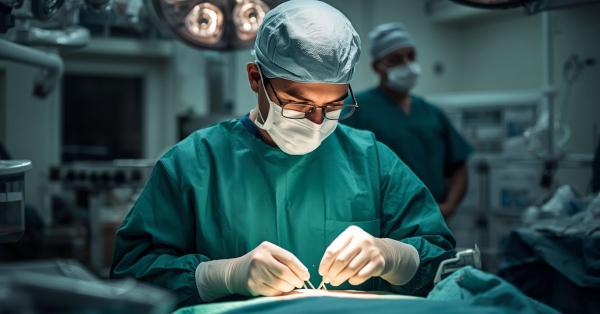
Stitches do more than close a wound; they hold damaged tissue together while your body works quietly underneath to rebuild itself. But once healing is underway, those same stitches need to come out, and timing matters more than most people realize. Take them out too soon, and the wound can reopen. Leave them in too long, and you risk irritation, infection, or a scar that’s harder to manage than it needed to be.
Many people wonder whether they can just remove stitches at home, especially if a follow-up appointment feels inconvenient, expensive, or out of reach. It’s a fair question but the honest answer is more nuanced than a quick YouTube tutorial suggests.
Understanding Stitches (Sutures) Basics
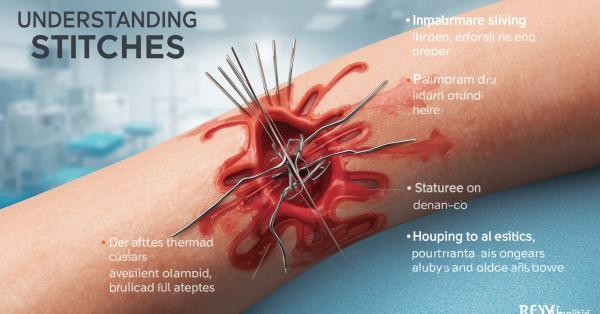
Stitches, medically known as sutures, come in two broad categories: dissolvable and non-dissolvable. Dissolvable stitches are made from materials like catgut, polyglycolic acid, or polydioxanone, which your body naturally breaks down over time. Depending on the material and the wound location, this can take anywhere from a week to a few months. Because they disappear on their own, dissolvable stitches typically don’t need to be manually removed though occasionally, leftover fragments may need a doctor’s attention if they surface or irritate the skin.
remove stitches, Non-dissolvable stitches, on the other hand, are made from materials like nylon, silk, polypropylene, or polyester. These are stronger and more durable, which makes them ideal for wounds under tension or in areas prone to movement.
Doctors choose between these options based on several factors: where the wound is, how deep it is, how much tension the skin is under, and how long the tissue is expected to take to heal. Facial wounds, for example, often use fine non-dissolvable stitches removed early to minimize scarring, while internal or fast-healing wounds typically rely on dissolvable ones.
Knowing which type you have is the first step in understanding your own healing timeline and whether removal is even something you’ll need to think about at all.
Why Timing Matters

Every wound needs a certain amount of time for the tissue underneath to regain enough strength to hold itself together without the stitches’ support. That timeline varies significantly depending on where the wound is located on your body.
Facial wounds, including those on the eyelids or forehead, usually have stitches removed within 3 to 5 days since facial skin heals quickly and has a rich blood supply. Scalp wounds typically need 7 to 10 days. Wounds on the arms and hands generally fall in a similar range. Areas under more tension or movement like joints, the back, or the trunk often need 10 to 14 days, sometimes longer, since constant motion slows healing and increases strain on the closure.
remove stitches, Removing stitches too early is one of the most common risks people underestimate. Even if a wound looks closed on the surface, the deeper tissue may not have regained enough strength, leading to reopening or wound dehiscence.
This is why doctors give specific removal timelines rather than general estimates; they’re accounting for how your particular wound, location, and healing pace factor into the equation.
Signs You Should NOT Attempt Removal at Home
Before even considering stitch removal outside a medical setting, it’s important to recognize the situations where doing so could seriously backfire. Not every wound is a good candidate for anything other than professional care.
The clearest warning sign is infection. Watch for redness that’s spreading rather than fading, warmth around the wound, swelling, pus or unusual discharge, a fever, or red streaking extending outward from the site. Any of these mean the wound needs medical evaluation, not stitch removal.
Another key factor is whether the wound has actually healed. If the edges still look separated, if there’s any gaping when you gently move the surrounding skin, or if the area is still tender and raw, the stitches are still doing their job and shouldn’t come out yet.
Location also matters. Stitches on the face, near the eyes, over joints, or in other high-mobility areas carry more risk if handled improperly, since these areas are more prone to reopening or visible scarring.
Underlying health conditions raise the stakes further. People with diabetes, autoimmune conditions, poor circulation, or weakened immune systems tend to heal more slowly and are more vulnerable to complications, making professional oversight especially important.
These wounds often have multiple layers of stitches or additional considerations that aren’t visible from the surface, and mishandling them can lead to serious setbacks.
When Professional Removal Is Strongly Recommended
Even when a wound looks simple, having a trained professional remove your stitches is almost always the safer choice and it’s worth understanding why before deciding otherwise. They can spot early signs of poor healing, embedded sutures, or infection that an untrained eye might miss entirely, and they use sterile, purpose-made tools designed specifically to cut and lift stitches without damaging the surrounding skin.
If cost or access is the real barrier, it helps to know there are usually more affordable options than a full doctor’s visit. Urgent care clinics often handle stitch removal quickly and at a lower cost than an ER or specialist visit. Community health clinics and public health departments frequently offer low-cost or sliding-scale wound care.
Knowing what to expect can also ease hesitation. A typical visit takes just a few minutes: the provider examines the wound, cleans the area, uses fine scissors or a suture-cutting tool to snip each stitch, and gently pulls them free. It’s usually quick, mildly uncomfortable at most, and gives you the added benefit of a professional confirming the wound has actually healed properly with peace of mind that’s hard to get on your own.
If a Professional Truly Isn’t Accessible: General Safety Information
For some people, reaching a clinic quickly simply isn’t realistic whether due to distance, cost, or limited healthcare access. If you’re in that position, the priority shouldn’t be finding do-it-yourself instructions, but reducing risk as much as possible while still working toward professional guidance.
remove stitches, The single most useful step is calling a nurse advice line, telehealth service, or local pharmacy before doing anything else. Many of these services are free or low-cost, and a trained professional can assess your specific wound, location, and healing stage over the phone or video something no generic guide can safely replace. They may also be able to talk you through safer options or point you toward low-cost in-person care you didn’t know existed.
If you’re waiting for that guidance, focus on what you can control: keep the wound clean and dry, wash your hands thoroughly before touching the area, and avoid anything that could reopen or contaminate the site. Never attempting to cut or pull stitches using unsterilized household tools improper technique is one of the leading causes of wound reopening and infection in self-removal attempts.
It’s also worth having another person present, both for practical help and so someone can seek emergency care if something goes wrong. Ultimately, this section exists to reduce harm while you seek real care not to serve as a substitute for it.
Aftercare Once Stitches Are Out
How you care for the area afterward has a real impact on how the wound finishes healing and how visible the resulting scar becomes. The skin underneath is still relatively fragile, even if the surface looks closed.
Start by keeping the area clean. Gently wash it with mild soap and water once a day, pat it dry rather than rubbing, and avoid harsh scrubbing or exfoliating products until the skin has fully settled. Moisturizing the area regularly helps keep the new tissue supple, which can reduce tightness and support smoother healing.
Scar care is worth starting early. Silicone gel sheets or silicone-based scar gels are widely recommended by dermatologists for minimizing scar thickness and discoloration, and they tend to work best when started as soon as the wound is closed. Sun protection matters just as much fresh scar tissue is highly sensitive to UV exposure and can darken permanently if left unprotected, so covering the area or applying sunscreen is important for at least several months.
Activity restrictions still apply for a while. Even without stitches, the tissue underneath is continuing to strengthen, so avoid stretching, heavy lifting, or activities that put tension on the area until it feels fully stable.
Finally, keep an eye on the site over the following weeks. Occasional mild itching or tightness is normal, but anything that seems to worsen rather than improve is worth mentioning to a healthcare provider.
Warning Signs to Seek Immediate Care
Most wounds heal without complications, but knowing when to seek immediate medical attention can prevent a minor issue from becoming a serious one.
remove stitches, Bleeding that won’t stop is one of the clearest red flags. A small amount of oozing right after removal can be normal, but if the area is actively bleeding and doesn’t slow down with gentle, clean pressure within several minutes, it needs prompt medical attention.
Wound reopening is another sign not to ignore. If the edges of the healed skin start to separate, gap open, or the area suddenly looks different than it did the day before, this can mean the tissue underneath wasn’t as healed as it appeared, and a professional should assess it right away.
Watch closely for signs of infection as well, even days or weeks after removal. Increasing redness, warmth, swelling, pus or foul-smelling discharge, red streaking spreading from the wound, or a fever are all signals that the body may be fighting an infection that needs treatment.
Pain that increases rather than decreases over time is also worth taking seriously.
When in doubt, it’s always safer to have a healthcare provider take a look than to assume things will resolve on their own.
Frequently Asked Questions
Do dissolvable stitches ever need to be removed?
Usually they’re designed to break down naturally as your body heals. However, in some cases, small fragments may dissolve unevenly or poke through the skin before fully breaking down. If that happens, or if the area becomes irritated, a doctor can trim or remove the remaining piece rather than leaving it to work itself out.
Can I remove stitches with nail clippers or scissors at home?
This isn’t recommended. Household tools aren’t sterile and aren’t designed for the precision needed to cut sutures without nicking the skin. Improper cutting can also leave fragments embedded under the surface, which raises the risk of infection and irritation.
What happens if I leave stitches in too long?
The skin can start to grow around the material, making removal more difficult and uncomfortable. Extended wear also increases the risk of infection and tends to leave more visible marks, sometimes called “railroad track” scarring, where the stitch holes are more prominent.
Does stitch removal hurt?
Most people describe it as a brief tugging or pinching sensation rather than real pain, since the skin itself isn’t being cut. It’s usually over within a few minutes.
How much does professional removal cost without insurance?
Costs vary by location and facility, but urgent care clinics and community health centers typically offer lower rates than emergency rooms. Some clinics even include removal as part of a follow-up visit at no extra charge.
Conclusion
Stitches play a simple but essential role: giving your body the time and support it needs to heal properly. But that role only works when the timing is right, removed too soon, and the wound risks reopening; left too long, and you risk irritation, infection, or unnecessary scarring. Understanding what type of stitches you have, how long they typically need to stay in based on location, and what warning signs to watch for puts you in a much better position to make informed decisions about your own care.
While it can be tempting to handle removal yourself, especially when appointments feel inconvenient or costly, professional removal remains the safest route in almost every situation. Trained providers don’t just remove stitches they assess the wound itself, catching potential problems you might not notice on your own. If cost or access is the real obstacle, low-cost clinics, telehealth services, and community health resources are often more available than people realize, and they’re worth exploring before considering any at-home approach.
Healing doesn’t end the moment stitches come out, either. Good aftercare, sun protection, and attentiveness to warning signs all play a role in how your wound and eventual scar turns out. When in doubt, reaching out to a healthcare provider is always the safer choice.
Ultimately, the goal isn’t just getting stitches out.