
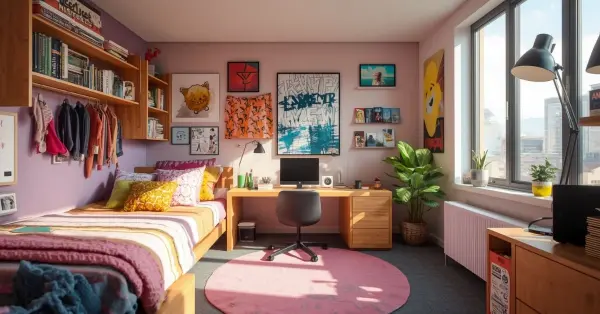
College dorm rooms have come a long way from the disposable, one-and-done decor of years past. In 2026, students are moving away from “fast-decor” cheap polyester bedding, plastic bins, and LED strips destined for the landfill by graduation in favor of spaces that feel intentional, personal, and built to last.
This shift reflects a broader cultural moment: with academic pressure at an all-time high, the dorm room has become more than just a place to sleep. It’s a sanctuary, a study space, and often the first opportunity to express personal style through a living space of one’s own.
This guide walks through the biggest dorm room trends shaping 2026 from the rise of the “Heritage Dorm” aesthetic to cozy layering, smart storage, and budget-friendly personalization tips so you can create a space that feels like home without following a single rigid formula.
The Heritage Dorm Movement
One of the most significant shifts in dorm room design for 2026 is the rise of the Heritage Dorm movement, which reimagines the college dorm as a space worth investing in rather than a temporary, disposable stop.
Dark Academia and Quiet Luxury influences are central to this trend. Rather than bright colors and playful, youthful decor, Heritage Dorm spaces lean into rich, muted tones, natural textures, and an overall sense of understated sophistication. This aesthetic draws heavily from both the intellectual, moody appeal of Dark Academia and the refined, minimal restraint associated with Quiet Luxury interior design.
Natural materials and classic patterns define the visual language of this movement. Toile and houndstooth prints, natural linen fabrics, and warm wood tones replace the synthetic materials and bold graphic prints that once dominated typical dorm decor. This creates a more timeless, “collegiate” feel reminiscent of a boutique hotel or Ivy League common room rather than a typical freshman dorm.
Why students are investing in longer-lasting pieces comes down to a broader rejection of single-semester decor. Instead of buying items meant to be discarded after one year, students embracing this trend are choosing higher-quality bedding, furniture, and accessories they intend to bring with them into their first post-college apartment. This approach reflects a shift toward “Foundational Living” treating even a temporary dorm space as worth furnishing thoughtfully, both for the immediate comfort benefits and the long-term value of owning pieces that will continue to serve them well beyond graduation.
Cozy, Apartment-Like Layering
A major theme running through 2026 dorm trends is the desire to make a small, shared space feel less like an institutional dorm room and more like an actual apartment largely achieved through thoughtful layering.
Neutral tones with soft, oversized textures form the foundation of this approach. Popular choices include soft fabrics, plush throws, and oversized blankets in muted, neutral colors that create an inviting “home away from home” feeling. Rather than relying on bold patterns or bright colors to add personality, this trend uses texture and softness to make a room feel warm and lived-in.
Layered lighting has replaced reliance on harsh, single-source overhead lighting as a key design priority. Students are increasingly incorporating multiple light sources desk lamps, string lights, and smaller accent lamps to create a softer, more ambient atmosphere throughout the room. This layered approach mimics how lighting is typically used in a full apartment or home, rather than the stark, single-bulb lighting typical of most dorm rooms.
Rugs and airy curtains round out this apartment-like transformation. A well-placed rug adds warmth underfoot while visually anchoring the room’s furniture layout, and can also make ceilings feel taller by drawing the eye downward. Airy curtains not only provide privacy but soften the overall look of the room, moving it further away from the bare, utilitarian feel of a standard dorm room and closer to a genuinely personalized living space.
Color Palette Trends
Color choices for 2026 dorm rooms reflect a broader shift toward calm, cohesive spaces, with students gravitating toward palettes that feel intentional rather than a random mix of dorm-store basics.
Neutral and earthy bases including white, light wood tones, charcoal, and deep graphite serve as the foundation for many popular 2026 dorm designs. These neutral bases keep a small room from feeling visually cluttered or overwhelming, while still allowing room for personality through accent colors, textures, and decor. A charcoal-and-wood combination, for example, creates a modern, minimal feel, while white-and-light-wood pairings offer a brighter, airier alternative.
Soft accent colors, particularly combinations of blue, green, and pink, are popular ways to introduce personality without overwhelming the neutral base. A blend of green and blue, for instance, creates a relaxing, nature-inspired feel that pairs easily with white or light wooden furniture, while still leaving room to incorporate plants and fabric accents in complementary tones.
Cohesive color-themed rooms have become a defining feature of well-designed 2026 dorm spaces, particularly among students who want their room to feel curated rather than randomly assembled. Rather than mixing unrelated colors and patterns, many students are building their entire room bedding, rugs, lighting, and wall decor around a single, deliberate color story, creating a more polished, magazine-worthy result that still allows for personal expression within a defined palette.
Analog & Handmade Decor
As students look to make their spaces feel more personal and less mass-produced, analog and handmade decor has emerged as one of the standout trends for 2026 dorm rooms.
Pressed flower art has become an increasingly popular choice for students looking to bring natural beauty into their space while picking up a new, low-cost hobby in the process. Flowers can be pressed between paper until dry and then placed into a frame, or purchased pre-made from marketplaces like Etsy, often arranged in romantic gold-chain or vintage-style frames. This decor choice fits naturally within both the Heritage Dorm aesthetic and the broader cozy, personalized dorm trend.
Paint-by-numbers wall art offers another accessible way to create custom, handmade decor without requiring significant artistic skill. Students can choose a design that matches their room’s color scheme or personal interests, resulting in a finished canvas that feels both personal and intentional a meaningful alternative to mass-produced posters or prints.
Why “slow decor” and DIY touches are trending reflects a broader cultural shift away from disposable, instantly gratifying decor purchases. Handmade or hobby-based decor pieces carry more personal significance than a quickly ordered poster, and the process of creating them whether pressing flowers or painting a canvas offers a low-stakes creative outlet during an otherwise demanding and stressful transition into college life.
Wall Art & Personalization
Bare dorm walls are one of the first things students notice after moving in, and personalizing them has become one of the most impactful ways to make a small, shared space feel genuinely one’s own.
Posters, photo prints, and custom art remain a foundational way to bring personality into a dorm room. Students are increasingly choosing pieces that reflect specific interests, favorite colors, or meaningful memories rather than generic dorm-store artwork, resulting in walls that feel more like a personal gallery than a default decoration. Inspirational quotes and custom-printed photos of friends and family are especially popular choices for adding warmth and familiarity to the space.
Removable and damage-free hanging solutions have become essential tools for this kind of personalization, since most dorms have strict policies against damaging walls with nails or heavy adhesive. Command strips, removable poster putty, and similar damage-free products allow students to hang art, photos, and decor without risking their housing deposit, making it easier to fully commit to decorating without worrying about move-out consequences.
Making a small space feel personal ultimately comes down to combining several of these smaller decor choices art, photos, and handmade pieces into a cohesive display rather than a single, isolated poster. A gallery-style wall combining photo prints, pressed flower art, and a few meaningful quotes or prints creates a much more personalized, layered look than any single decor item could achieve on its own.
Rugs, Textiles & Bedding Trends
Textiles play a major role in shaping the overall feel of a dorm room, and 2026 trends show a clear shift toward patterns and materials that add both comfort and visual sophistication.
Geometric and vintage-inspired rug patterns are among the most popular choices this year, offering a way to add visual interest to the floor without clashing with a room’s broader color scheme. Neutral-toned rugs in these patterns tend to work well across multiple decor styles, from minimalist to more eclectic, cohesive color-themed rooms.
Natural fiber and toile bedding, closely tied to the broader Heritage Dorm movement, reflects a shift away from synthetic comforters toward more breathable, higher-quality materials. Toile patterns in particular bring a classic, “Ivy League” feel to a dorm room, while natural fibers like linen offer both a more elevated look and genuine comfort improvements over standard polyester bedding.
Oversized blankets and soft throw pillows round out this year’s textile trends, offering an easy, affordable way to instantly upgrade a dorm bed or common seating area. These pieces contribute significantly to the “cozy, home away from home” feeling that has become a defining goal of 2026 dorm design, while also being simple to swap out or update without a major redecorating effort. Layering multiple textures a chunky throw over natural fiber sheets, paired with soft pillows creates a noticeably more polished, comfortable end result than a single flat comforter alone.
Smart Storage & Small-Space Solutions
Dorm rooms are almost always smaller than incoming students expect, making smart storage solutions a consistent priority across every decor style and trend for 2026.
Under-bed and vertical storage remain essential strategies for maximizing a small footprint. Storage bins slid underneath the bed frame make use of otherwise wasted space, while vertical solutions like wall shelves or over-the-door organizers help avoid cluttering limited floor space. These solutions matter just as much in a Heritage Dorm-style room as in a more casual, colorful setup, since every aesthetic still has to function within the same tight square footage.
To loft or not to loft the bed remains a genuinely divisive decision among students and returning upperclassmen alike. Lofting a bed creates valuable space underneath for a desk, seating area, or additional storage, but it comes with trade-offs some students find lofted beds inconvenient or even risky, preferring the simplicity and safety of a standard bed height instead. The right choice often depends on the specific room’s layout and how much floor space is available without lofting.
Functional pieces that double as decor have become increasingly popular as students look to avoid overcrowding their rooms with purely decorative items. A stylish storage ottoman, a decorative but functional shelf, or an attractive rug that also protects flooring allows students to maximize both function and visual appeal without needing separate items for each purpose an efficient approach for rooms where every square foot counts.
Sustainability & Long-Term Value
A noticeable shift toward sustainability and long-term thinking has emerged in how students approach dorm decor for 2026, moving away from the disposable habits that once defined college move-in culture.
Moving away from single-semester “fast-decor” reflects a broader rejection of the plastic bins, cheap polyester bedding, and LED strip lights that historically ended up discarded by graduation. Students are increasingly recognizing the environmental and financial waste involved in buying low-quality items meant to last only a single school year, opting instead for more durable, higher-quality alternatives from the start.
Buying pieces that transition to a first apartment has become a defining principle of this more sustainable approach, closely tied to the broader Heritage Dorm movement. Rather than treating dorm purchases as temporary and disposable, students are choosing furniture, bedding, and decor they intend to keep and reuse well beyond their college years, treating early purchases as an investment in their future living spaces rather than a one-time expense.
Secondhand and thrifted decor finds offer a practical way to embrace this sustainability-focused mindset without a significant budget increase. Thrift stores, secondhand marketplaces, and even family hand-me-downs provide access to higher-quality furniture and decor at a fraction of retail cost, while also reducing the overall demand for newly manufactured, short-lived dorm products. This approach allows students to build a more thoughtful, lasting space without necessarily spending more than they would on cheaper, disposable alternatives.
How to Personalize on a Budget
Creating a personalized, trend-forward dorm room doesn’t require an unlimited budget a few practical strategies can help students achieve a curated look while keeping overall spending in check.
Mixing splurge and affordable pieces is one of the most effective budgeting strategies for dorm decor. Investing a bit more in a few key items like quality bedding or a statement rug while keeping smaller decor purchases, like throw pillows or wall art, more budget-friendly allows students to achieve a polished look without overspending across every category at once.
DIY decor projects, including pressed flower art and paint-by-numbers pieces, offer a low-cost way to add meaningful, personalized touches to a room. These projects typically cost significantly less than pre-made decor while adding a genuine sense of individuality that mass-produced items can’t replicate, making them a smart choice for students working with limited funds.
Coordinating with a roommate without losing personality is an important consideration for shared spaces, since duplicate purchases can waste money on items like rugs, storage bins, or shared furniture. Agreeing on a shared color palette or general aesthetic direction with a roommate ahead of time allows both students to split costs on communal items, while still leaving room for individual personal touches like their own wall art, bedding accents, or desk decor that reflect each person’s unique style within the shared space.
Conclusion
Dorm room design for 2026 reflects a clear shift away from the disposable, one-and-done decor culture of the past, in favor of spaces that feel intentional, personal, and built to last. Whether students are drawn to the sophisticated, natural-material aesthetic of the Heritage Dorm movement or a cozier, more colorful layered look, the underlying theme remains the same: creating a space that genuinely feels like home.
From smart storage solutions and sustainable, long-term purchases to handmade decor and thoughtfully chosen color palettes, this year’s trends prove that a small, shared dorm room can still reflect real personality and intention. Importantly, achieving any of these looks doesn’t require an unlimited budget thoughtful choices, a mix of splurge and affordable pieces, and a willingness to get creative with DIY projects can go a long way.
As dorm rooms continue to serve as more than just a place to sleep functioning as a bedroom, office, and personal sanctuary all at once investing time and thought into the space has become an increasingly valued part of the college experience itself.
FAQ
Q: What is the Heritage Dorm trend? A: It’s a 2026 dorm design movement inspired by Dark Academia and Quiet Luxury, favoring natural materials, classic patterns like toile and houndstooth, and long-lasting, investment-worthy pieces over disposable “fast-decor.”
Q: What colors are trending for dorm rooms in 2026? A: Neutral and earthy bases like white, wood, charcoal, and graphite are popular, often paired with soft accent colors like blue, green, or pink.
Q: Should I loft my dorm bed? A: It depends on your room’s layout lofting creates extra space underneath but comes with trade-offs in convenience and safety that some students prefer to avoid.
Q: How can I decorate my dorm without damaging the walls? A: Removable hanging solutions like command strips and poster putty allow you to display art and photos without violating most dorm damage policies.
Q: What’s a budget-friendly way to personalize a dorm room? A: DIY projects like pressed flower art or paint-by-numbers canvases offer a low-cost, meaningful way to add personal touches to your space.
Q: How can roommates coordinate decor without losing individual style? A: Agreeing on a shared color palette or general aesthetic for communal items, while leaving room for individual touches like wall art or bedding accents, helps balance cohesion with personal expression.